
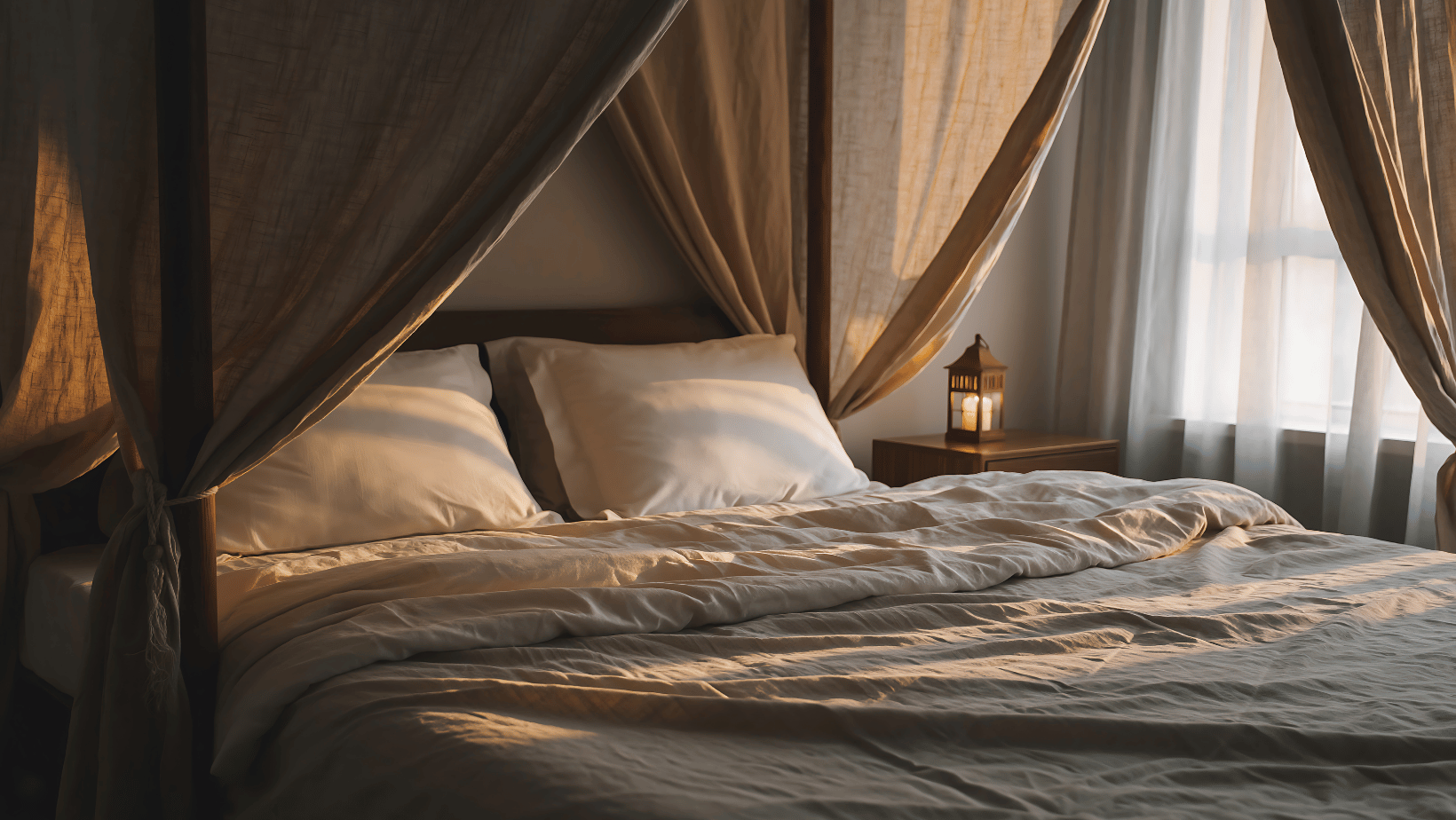
The bedroom should be more than just a place to sleep—it’s your personal sanctuary, the room where intimacy flourishes and connection deepens. Yet so often, our bedrooms become afterthoughts, filled with mismatched furniture, harsh lighting, and the clutter of daily life. Creating a truly romantic bedroom retreat doesn’t require a complete renovation or an unlimited budget. What it does require is intentionality, attention to sensory details, and a willingness to prioritize the atmosphere of the one room that should feel most intimate in your home.
I’ve learned through years of home styling that romance in a bedroom isn’t about red satin sheets or over-the-top theatrical gestures. True romance in design comes from creating a space that feels both beautiful and deeply comfortable, somewhere you genuinely want to retreat to at the end of the day. It’s about layers of softness, carefully considered lighting, and those small touches that signal this space is special. Whether you’re preparing for Valentine’s Day or simply ready to elevate your everyday environment, transforming your bedroom into a romantic retreat is one of the most rewarding home projects you can undertake.
The Foundation: Choosing Your Bedding
Your bed is the undeniable focal point of any bedroom, and the quality of your bedding sets the tone for everything else. This is where I encourage you to invest thoughtfully, because you spend roughly a third of your life in bed, and truly excellent bedding transforms not just how your room looks, but how you feel in it.
Start with sheet thread count, but understand that higher isn’t always better. The sweet spot for cotton sheets typically falls between 300 and 600 thread count—anything higher often uses thinner, weaker threads that may feel initially soft but won’t hold up over time. Egyptian cotton and Pima cotton both offer exceptional softness and durability, while Belgian linen provides a more relaxed, lived-in luxury that actually softens with each wash. For a romantic bedroom, I lean toward neutral tones in cream, soft gray, or warm white rather than stark bright white, which can feel clinical rather than inviting.
Layering your bedding creates both visual interest and practical comfort. Begin with your fitted and flat sheets, then add a lightweight blanket or coverlet before topping with your duvet or comforter. A duvet cover in a complementary shade or subtle pattern adds dimension without overwhelming the space. The European approach of using a duvet without a top sheet has gained popularity, and while it simplifies bed-making, I still prefer the traditional layering for that tailored, luxurious appearance.
Don’t underestimate the power of pillows in creating a romantic atmosphere. Beyond your sleeping pillows, which should absolutely be replaced every one to two years for both hygiene and support, decorative pillows in varying sizes add softness and sophistication. For a queen bed, try two sleeping pillows per person, two standard shams, and two European square pillows at the back, finished with one or two smaller accent pillows in front. This creates that hotel-like abundance without becoming so excessive that you’re moving a mountain of pillows every night.
Lighting: Setting the Mood
Overhead lighting is the enemy of romance. There’s simply no way around this truth. The harsh glare of a central ceiling fixture flattens everything in the room and creates an atmosphere better suited to a doctor’s office than a intimate retreat. If you currently rely on overhead lighting as your primary source, making the switch to layered, ambient lighting will dramatically transform your bedroom’s romantic potential.
Bedside table lamps are essential, and they should provide enough light for reading while creating a warm glow when you want softer ambiance. Look for lamps with three-way bulbs or dimmer switches that allow you to adjust the brightness. The shade material matters—fabric shades diffuse light beautifully, while paper or plastic can create harsh shadows. Position these lamps so they illuminate without shining directly in your eyes when you’re lying in bed.
Candles remain one of the most effective tools for instant romance, but they require thoughtful placement and safety awareness. I keep candles on my dresser and bedside tables in sturdy holders that won’t tip, always extinguishing them before sleep. Unscented candles work best in the bedroom if you’re sensitive to fragrances, though high-quality scented candles in subtle notes like vanilla, sandalwood, or soft florals can enhance the sensory experience. Flameless LED candles with timers offer a safe alternative that still provides that flickering glow, particularly useful if you enjoy falling asleep to candlelight.
String lights aren’t just for teenagers and college dorms. When used with restraint, delicate string lights or fairy lights can add a magical quality to a bedroom. I’ve seen them used beautifully draped along a headboard, woven through a canopy, or placed in a large glass vase on a dresser. The key is choosing warm-toned lights rather than cool white, and keeping the arrangement intentional rather than haphazard.
Consider adding a dimmer switch to any existing overhead fixtures you do use. This relatively inexpensive upgrade allows you to control the intensity of your lighting throughout the day, bright enough for cleaning and organizing, dim enough for evening relaxation.
Color and Texture: Creating Sensory Appeal
Color psychology plays a significant role in how we experience a space, and certain colors naturally promote relaxation and intimacy. Soft, muted tones tend to work best in romantic bedrooms—think dusty rose, sage green, warm taupe, soft blue, or various shades of cream and ivory. These colors create a cocoon-like feeling without the heaviness that very dark colors can sometimes bring to a smaller space.
That said, if you’re drawn to bolder colors, don’t abandon them entirely. Deep jewel tones like emerald, sapphire, or burgundy can feel incredibly luxurious and romantic when balanced with lighter elements. A bedroom with navy walls but cream bedding, warm wood furniture, and ample lighting can feel sophisticated rather than cave-like. The southern climate tends to favor lighter, airier palettes that help rooms feel cool and fresh, but your personal preference should ultimately guide your choices.
Texture creates visual and tactile interest that flat surfaces simply cannot achieve. Incorporate various textures through your bedding, window treatments, rugs, and decorative elements. A chunky knit throw draped across the foot of your bed, velvet accent pillows against linen shams, or a jute rug under a sleek upholstered bench—these textural contrasts make a room feel considered and complete.
Window treatments deserve special attention in the bedroom. Heavy blackout curtains serve a practical purpose for quality sleep, but they can feel harsh during the day. I prefer layering sheer curtains closest to the window with heavier drapes on the outside. This allows you to filter natural light beautifully during the day while maintaining privacy, then close the outer curtains at night for complete darkness and insulation. The drapes should be long enough to just kiss the floor or puddle slightly for a romantic, luxurious effect.
Furniture Placement and Flow
The arrangement of furniture in your bedroom affects both its functionality and its romantic atmosphere. Your bed should command attention as the room’s centerpiece, ideally positioned so it’s the first thing you see when entering but not directly in line with the door, which can feel exposed rather than intimate.
If your room allows, position your bed against the longest wall with space on both sides for bedside tables. This symmetry creates visual balance and ensures both partners have equal access and personal space. When space is limited and you can only access the bed from one side, consider that constraint when selecting your bed frame—a lower profile platform bed can make it easier to climb over if necessary, though I always advocate for creative furniture arrangement to avoid this scenario when possible.
Clear pathways around the bed prevent the room from feeling cramped and allow for easy movement. You should be able to walk around your bed without turning sideways or bumping into furniture. If your bedroom serves multiple purposes—dressing area, reading nook, or home office—create subtle zones through furniture placement and rugs rather than letting these different functions blend into chaos.
Minimize visual clutter by providing adequate storage for clothing, accessories, and personal items. A cluttered bedroom cannot feel romantic because disorder creates mental stress that undermines relaxation. If your closet overflows, invest in better organization systems or consider a beautiful armoire or dresser that provides both storage and aesthetic appeal. Keeping surfaces relatively clear, with only intentional decorative objects and essentials, maintains the serene atmosphere you’re cultivating.
Sensory Details That Elevate the Experience
Romance engages all the senses, not just sight. A truly transformative bedroom retreat considers sound, scent, and touch alongside visual beauty.
Sound can either soothe or disrupt. If you live in a noisy area, a white noise machine or a small fountain can mask distracting sounds from outside. Alternatively, a high-quality speaker system for soft music creates ambiance without the tinny quality of phone speakers. I keep a playlist of instrumental music and jazz standards ready for evenings when we want background music without the distraction of lyrics.
Scent powerfully affects mood and memory. Beyond candles, consider a reed diffuser on your dresser, linen spray for your bedding, or essential oil blends in a high-quality diffuser. Lavender promotes relaxation and sleep, while rose, jasmine, and ylang-ylang have traditionally romantic associations. Keep scents subtle rather than overwhelming—your bedroom should smell pleasant when you enter, not announce itself from the hallway.
Temperature control is less romantic in discussion than lighting or flowers, but it’s absolutely essential for comfort. Most sleep experts recommend keeping bedrooms between 60 and 67 degrees Fahrenheit for optimal sleep. A ceiling fan provides air circulation and gentle white noise while helping maintain a comfortable temperature. High-quality bedding in appropriate weights for the season ensures you’re neither too hot nor too cold, which would quickly undermine any romantic atmosphere you’ve created.
The Finishing Touches
Art and personal touches make your bedroom uniquely yours while contributing to the romantic atmosphere. Choose artwork that speaks to you personally rather than following trends—whether that’s landscape photography, abstract paintings, or black and white prints. The bedroom is an ideal place for more intimate or meaningful pieces that might feel too personal for public spaces. Wedding photos, engagement shots, or other meaningful images of you and your partner can work beautifully in the bedroom when framed and displayed thoughtfully.
Fresh flowers or living plants add life and natural beauty to a bedroom. A simple arrangement of roses, peonies, or seasonal blooms on your dresser or bedside table provides both visual appeal and natural fragrance. If you prefer less maintenance, high-quality silk arrangements can look surprisingly realistic, or focus on green plants like pothos, snake plants, or peace lilies that thrive in bedroom conditions and improve air quality.
A seating area, if space permits, creates a destination within your bedroom beyond the bed itself. An upholstered bench at the foot of the bed, a reading chair in the corner, or a small settee near the window provides a place to sit, read, or simply be together without the formality of other rooms or the sleep-association of the bed. This additional seating signals that your bedroom is a retreat for connection and relaxation, not merely a place to sleep.
Small luxuries throughout the room communicate care and intentionality. A beautiful tray on your dresser corrals jewelry and perfume. A silk robe hanging on a hook adds a touch of glamour. Quality hangers in your closet (wooden or velvet-covered rather than wire) show attention to detail. These seemingly minor elements combine to create an overall impression of thoughtfulness and luxury that makes the room feel special every single day.
Maintaining Your Romantic Retreat
Creating a romantic bedroom is wonderful, but maintaining it requires ongoing commitment. Make your bed every morning—this single habit has more impact on how your room feels than nearly any other. It takes two minutes but transforms the entire space, making it inviting when you return in the evening rather than chaotic.
Establish a weekly routine for changing sheets, dusting surfaces, and refreshing any flowers or scented elements. Wash your bedding in hot water with a quality detergent, and consider adding a few drops of lavender oil to the rinse cycle. Dry on low heat and remove promptly to minimize wrinkles. These regular rituals keep your retreat feeling fresh and cared for rather than letting it gradually decline into disorder.
Periodically reassess your bedroom with fresh eyes. Do the decorative pillows still please you, or have they become annoying obstacles? Is the artwork still meaningful, or does it fade into the background? Does the current layout still serve you well, or would a small adjustment improve the flow? A romantic bedroom isn’t static—it should evolve with you, your relationship, and your needs.
Your bedroom is the most private space in your home, the room where you begin and end each day, where intimacy flourishes and rest restores you. Investing time and thought into creating a truly romantic retreat isn’t frivolous or self-indulgent—it’s an investment in your well-being, your relationship, and the quality of your daily life. When you cross that threshold each evening into a space that feels beautiful, peaceful, and intentionally romantic, you’re reminded that you deserve beauty and care, that your home should nurture rather than deplete you. That’s the true gift of a romantic bedroom retreat.
Reflect and Review
- Walk through your current bedroom and identify which sensory element needs the most attention—sight, sound, scent, or touch. How might addressing this one element shift the overall atmosphere of your space?
- Consider your current lighting situation. What would change if you eliminated or minimized overhead lighting in favor of layered ambient lighting from multiple sources?
- Think about the practical barriers preventing your bedroom from feeling like a true retreat. Is it clutter, inadequate storage, or perhaps furniture that no longer serves your needs? What is one concrete step you could take this week to address the most pressing issue?
- Reflect on how your bedroom currently makes you feel when you enter it at the end of the day. Does it invite you to relax and connect, or does it create stress? What emotional response would you like your bedroom to evoke?
- Examine your bedding and sleep environment honestly. When did you last replace your pillows, and does your current bedding actually feel luxurious to you, or is it simply functional? How might prioritizing comfort in this area affect your daily life?
Glossary
Thread count: The number of horizontal and vertical threads woven into one square inch of fabric, commonly used to indicate sheet quality, though not the only factor determining softness and durability.
Duvet: A soft, flat bag filled with down, feathers, or synthetic fiber used as the top layer of bedding, typically covered with a removable duvet cover.
Coverlet: A lightweight bedspread that covers the bed but doesn’t extend all the way to the floor like a traditional bedspread, often used for layering.
Shams: Decorative pillow covers designed to coordinate with bedding, typically featuring a flange or decorative border and an opening at the back.
Ambient lighting: Soft, general illumination that provides overall light to a room without harsh shadows or bright spots, creating atmosphere rather than task-specific lighting.
Three-way bulb: A light bulb with two filaments that can produce three different levels of brightness when used with a compatible three-way socket.
Blackout curtains: Window treatments lined with light-blocking material designed to prevent external light from entering a room, promoting better sleep.
White noise: Consistent background sound containing all frequencies at equal intensity, used to mask disruptive environmental noises.
Reed diffuser: A home fragrance system consisting of scented oil in a container with reed sticks that absorb and diffuse the fragrance into the air without requiring heat or electricity.
Egyptian cotton: Cotton grown in Egypt known for its extra-long staple fibers that produce particularly soft, strong, and durable fabric.
Pima cotton: A premium cotton variety with long fibers similar to Egyptian cotton, grown primarily in the United States, Australia, and Peru.
Belgian linen: High-quality linen fabric woven in Belgium from flax fibers, known for exceptional durability and a relaxed, luxurious texture that improves with washing.